- Lecture
On October 9, 2026, at 2:15 PM
(L-7) Challenges of prosthetic defect closure for maxillary and soft palate defects
Speaker: Dr. Olivia Höfer I Freiburg, DE
Background:
Maxillary defects following tumor resection significantly impair phonetics, mastication, and facial appearance, thereby adversely affecting patients’ quality of life. Maxillofacial prosthetic rehabilitation plays a central role in restoring oral function and social participation, particularly when surgical defect closure is not feasible or not desired.
Objective:
To present various prosthetic rehabilitation strategies and clinical challenges in the obturation of maxillary and soft palate defects.
Material und Methoden:
Two clinical case reports are used to illustrate different approaches to prosthetic defect obturation and their limitations. One patient with an extensive osseous maxillary defect following osteosarcoma resection (regions 12–24) was rehabilitated using a silicone obturator in combination with a telescopic removable partial denture. A second patient with a soft tissue defect of the right soft palate following oropharyngeal carcinoma, with an intact bony palate, was treated with an obturator prosthesis.
Results:
Defects of the hard palate can be functionally obturated using either obturator prostheses or silicone obturators. Challenges arise particularly in cases of reduced vestibular depth or pronounced scar contracture, as these conditions may compromise the peripheral seal and retention of a silicone obturator.
In defects involving the soft palate and uvula, achieving stable retention of a silicone obturator is frequently not possible due to the absence of adequate retentive structures. In such cases, the obturator prosthesis represents the treatment of choice. Functional long-term impression techniques allow the incorporation of physiological soft palate movements into the prosthetic design, thereby reducing the risk of pressure-related mucosal irritation and painful lesions.
Conclusion:
The selection of an appropriate prosthetic obturation strategy depends critically on the location, extent, and tissue characteristics of the defect. While osseous palatal defects can often be managed with silicone obturators, velopharyngeal defects typically require a functionally designed obturator prosthesis. Individualized treatment planning is essential for achieving long-term stability and functional success in prosthetic rehabilitation.
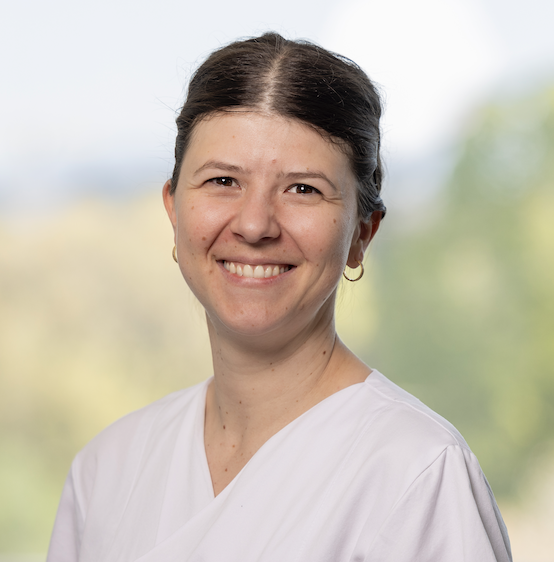
Speaker:
- Dr. Olivia Höfer
- After completing her studies in Dentistry at RWTH Aachen University from 2011 to 2016, she began her professional career in 2017 at a private dental practice in Freiburg. In November 2017, she received her doctoral degree (Dr. med. dent.) from RWTH Aachen University.
- Since July 2021, she has been working at the University Medical Center Freiburg in the Department of Dentistry, Oral and Maxillofacial Medicine. There, she works in both the Department of Prosthodontics and the Department of Oral and Maxillofacial Surgery, combining her broad dental expertise with extensive experience in surgical and prosthodontic treatment.
- In July 2024, she obtained her specialist qualification in Oral Surgery. Since June 2025, she has held the position of Functional Senior Consultant at the University Medical Center Freiburg. In October 2025, she was also recognized as a Specialist in Prosthodontics by the German Society of Prosthodontics and Biomaterials (DGPro).
- Her professional focus lies at the interface of oral surgery and prosthodontics, combining her extensive clinical experience with specialized expertise in both fields.
Facility / Institute / Clinic:
- Department of Prosthodontics, Department of Dental, Oral and Maxillofacial Medicine, Medical Center – University of Freiburg, Hugstettertstr. 55, 79106 Freiburg, DE
Co-authors:
- Benedikt C. Spies
- Anna-Lena Hillebrecht

Shipping “Weisse Flotte”
At the end of the congress, we will enjoy an enjoyable evening together on board of the “Weisse Flotte”.
Only a few tickets left