- Lecture
On October 9, 2026, at 2:00 PM
(L-6)The Birmingham Glove ear approach
Speakers: Ian Collins I Carwyn Harries I Birmingham, UK
Summary:
Background:
Microtia is a congenital condition which can be found in isolation or as part of a syndrome. Surgical reconstruction and bone-anchored implants are usually deferred until skeletal maturity. The “glove” ear prosthetic provides a non-invasive alternative that fits directly over the vestigial ear remnant, using adhesives and undercuts for retention.
Methods:
Non-contact optical scanning captures the remnant topography and digitally mirrors the healthy ear for precise volumetric symmetry.
Results:
The glove prosthetic achieves immediate aesthetic symmetry whilst deferring surgical risk. Clinical observations show high paediatric wear compliance and positive psychosocial outcomes. Importantly, preserving the ear remnant intact keeps future surgical options uncompromised.
Conclusion:
Combining 3D digital workflows with traditional silicone prosthesis techniques makes the glove ear prosthetic a durable, comfortable, and reversible rehabilitation solution tailored for growing children.
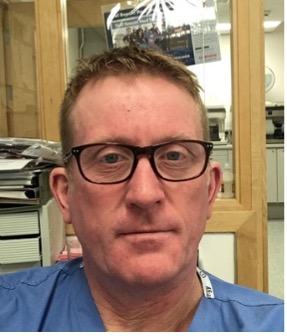
Speaker:
- Ian Collins
- Having worked in the NHS for 45 years, I am currently deputy manager/prosthetist at the Maxillofacial Prosthetics department, Queen Elizabeth University Hospital, Birmingham, UK. My main areas of responsibility are Oncology, Trauma and Prosthetics.
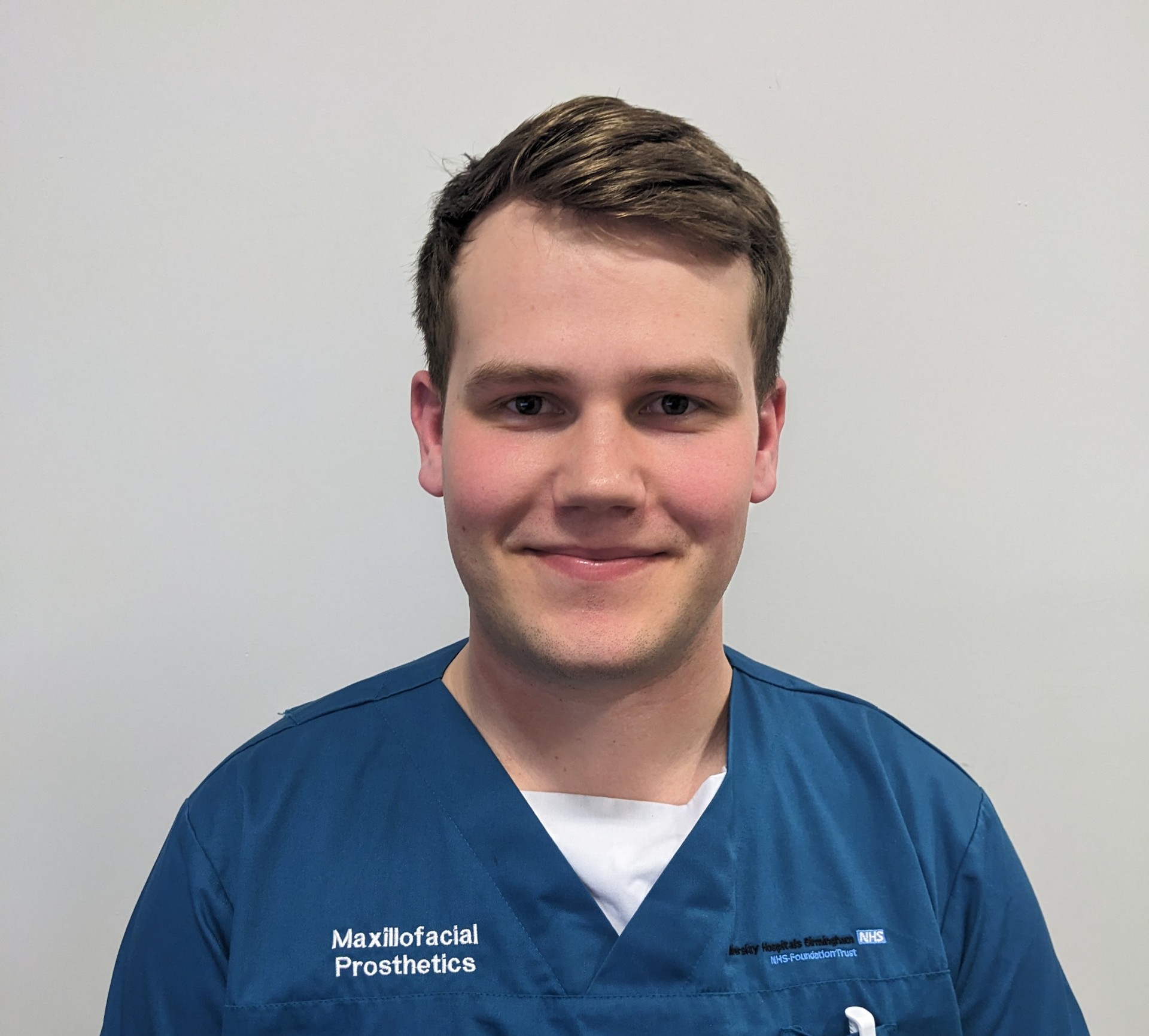
Speaker:
- Carwyn Harries
- I studied Dental Technology at Cardiff Metropolitan University before turning to maxillofacial prosthetics after being introduced to the field during my final year. I began my training in Swansea Morriston and later moved to Birmingham QEH to complete my master’s degree with King’s College London, where I am due to qualify later this year.
- As a maxillofacial prosthetist and reconstructive scientist, my work combines traditional patient-specific manufacturing with digital technologies, including virtual surgical planning and 3D printing, to create patient-specific prostheses and support complex reconstructive treatments.
Facility / Institute / Clinic:
- Queen Elizabeth University Hospital Birmingham
- Maxillofacial Prosthetics Department, UK

Shipping “Weisse Flotte”
At the end of the congress, we will enjoy an enjoyable evening together on board of the “Weisse Flotte”.
Only a few tickets left