
- Lecture
On October 9, 2026, at 10:15 a.m.
Keynote I: Considerations regarding the fixation of facial prostheses in irradiated patients: Before, during, and after radiotherapy for head and neck tumors
Speaker: Erin O’Fiel Stevens I Chicago, USA
Summary:
Radiation therapy for head and neck cancers has been shown to be an effective adjuvant intervention for reduction of cancer cells. When radiation therapy is used in addition to surgical resection of head and neck tumors, the short-term and long-term effects on tissue healing and stability must be considered when assessing and planning for effective, safe, and comfortable retention of a facial prosthesis. The potential for radiation-related complications and their severity can vary depending on which parts of the anatomy receive radiation, the dose delivered, and the timing and duration of delivery. Conditions that may arise during or after radiation, including but not limited to osteoradionecrosis, fibrosis, poor wound healing, skin sensitivity, or lymphedema, can significantly impact a patient’s comfort and capacity to resume many activities of daily living. We must also be mindful of the effects of radiation therapy on intraoral health and functionality, especially for design of midfacial prostheses, as management of intraoral complications like loss of saliva, edentulism, or trismus may have a direct impact on the fit, retention, and manageability of the prosthesis. It is crucial that the design of a facial prosthesis accounts for how radiation-related symptoms present and impact what a patient experiences beyond the perimeter of one’s prosthesis margins. Disruptions to a patient’s ability to eat, swallow, speak, breathe, hear, and see effectively can present barriers to communication and participation in treatment. Our awareness of how radiation therapy may compromise these functions can help us to more thoughtfully design prostheses and deliver care to our patients. This presentation will explore the effects of radiation therapy soft tissue, bone and teeth, with an emphasis on the skin, nasal, and oral mucosa, as well as patient assessment and considerations for prosthesis retention design.
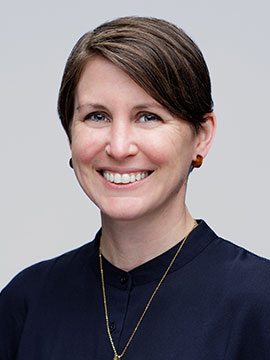
Speaker:
- Erin O’Fiel Stevens
- Erin Stevens, MS, CCA is a certified clinical anaplastologist. In 2010, Erin earned a Master of Science in Biomedical Visualization from the University of Illinois at Chicago, where she received anaplastology training at the UI Health Craniofacial Center. She has practiced clinically at Prosthetics at Graphica Medica (Minneapolis/St. Paul, MN) and Medical Art Resources (Milwaukee, WI). In 2025, Erin returned to the UI Health Craniofacial Center to serve as clinical anaplastologist on its multidisciplinary team.
- Erin is also a Clinical Assistant Professor and graduate research advisor for the UIC Master of Science in Biomedical Visualization degree program, overseeing the degree program’s Anaplastology Concentration. Currently, she serves as the President of the Walter Spohn Trust (WST), a nonprofit organization that administers grants and supports education and research in anaplastology. Erin is also a former President and Board Director for the International Anaplastology Association (IAA), and she currently serves as the IAA Education Committee Chair.
- Erin’s varied research interests include applications of 3d imaging and printing technologies to anaplastology workflows, education and training in anaplastology, innovative approaches to prosthesis retention for complex anatomical deficits, and—most importantly—understanding, managing, and improving patient experience.
Facility / Institute / Clinic:
- University of Illinois at Chicago
- 811 S. Paulina Street
- Chicago, Illinois, 60612, USA

Shipping “Weisse Flotte”
At the end of the congress, we will enjoy an enjoyable evening together on board of the “Weisse Flotte”.
FULLY BOOKED