- Lecture
On October 10, 2026, at 3:15 PM
(L-19) Patient-specific 3D applications at Kepler University Hospital Linz
Speaker: Jürgen Schwarzbauer I Linz, AT
Summary:
3D printing and 3D visualization are firmly established traditions at the Department of Oral and Maxillofacial Surgery at Kepler University Hospital Linz (KUK).
KUK is advancing personalized medicine through state-of-the-art technologies and has now established a hospital-wide 3D Competence Center for patient-specific applications (3DZ).
The initiative pools expertise from various departments at the KUK Med Campus to tailor medical solutions precisely to each patient’s individual anatomy.
The 3DZ uses cutting-edge specialized software to transform radiological image data (CT, MRI, CBCT, and 3D ultrasound) into virtual and tangible medical products.
Data Acquisition & Segmentation: Software extracts the desired anatomical structures based on the varying tissue densities found in CT or MRI scans. CT protocols developed in-house at KUK are used during this process.
Multi-Material Printing: Specialized high-tech printers process multiple materials simultaneously. This results in models that combine hard, soft, elastic, transparent, and colored properties.
Laboratory Post-processing: In the hospital’s dental laboratory, the models undergo precise finishing work, including the removal of support structures, sanding, and polishing.
Current Clinical Milestones in Linz
Highly detailed, flexible models—such as those of complex pediatric hearts—enable surgeons to realistically simulate complex procedures in advance and precisely plan surgical steps. In addition to the reconstruction of anatomical structures, the KUK collaborates with Johannes Kepler University (JKU) on pioneering biocompatible implants and the use of 3D-printed cell structures. A key milestone is the successful use of 3D-printed zirconia as a bone substitute for severely atrophied jaws, as well as the use of titanium subperiosteal implants.
The Department of Plastic, Reconstructive, and Aesthetic Surgery utilizes custom-made 3D models to assist in the shaping and suturing of autologous tissue following breast cancer treatment.
These printed models and 3D simulations serve as valuable training aids for medical students at JKU and for surgeons in training.
We look forward to providing you with a brief yet comprehensive overview of our competence center’s scope of work in Heidelberg.
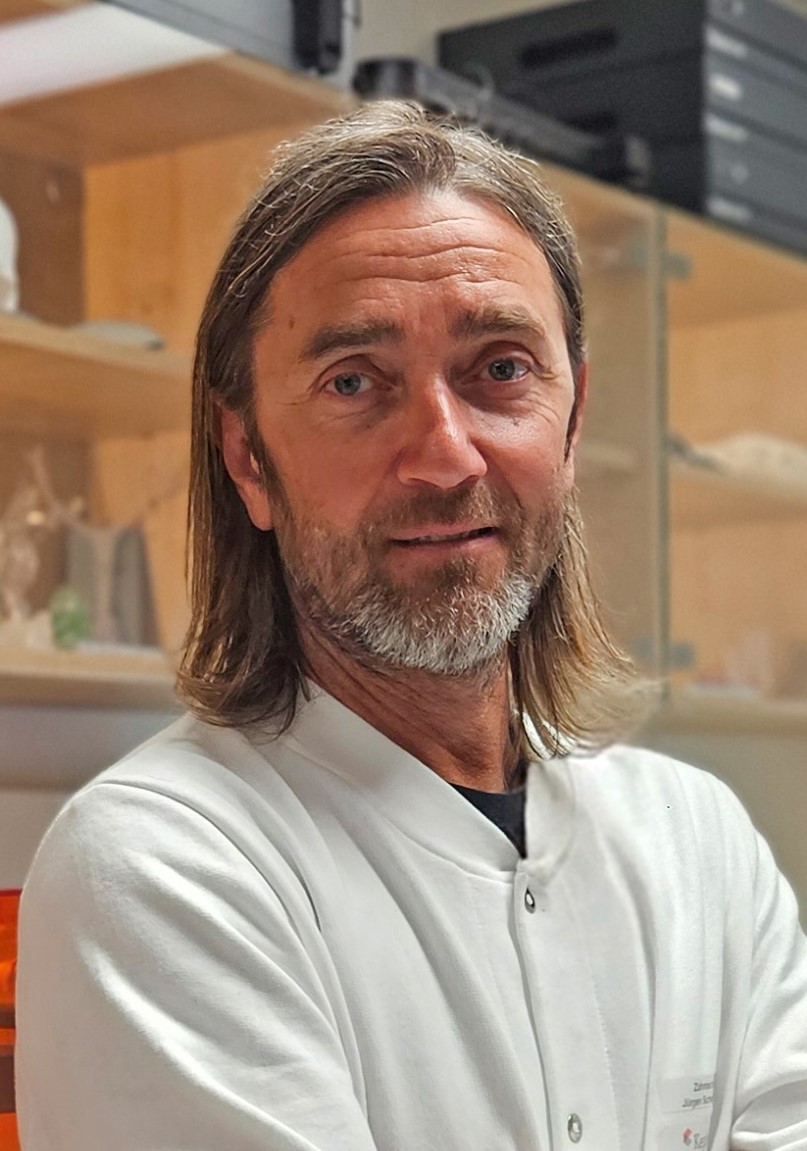
Speaker:
- Jürgen Schwarzbauer
Facility / Institute / Clinic:
- Kepler Universitätsklinikum GmbH (Med Campus III)
- Linz, AT
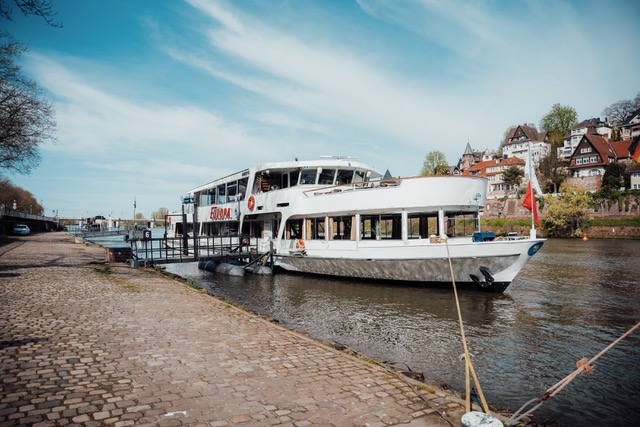
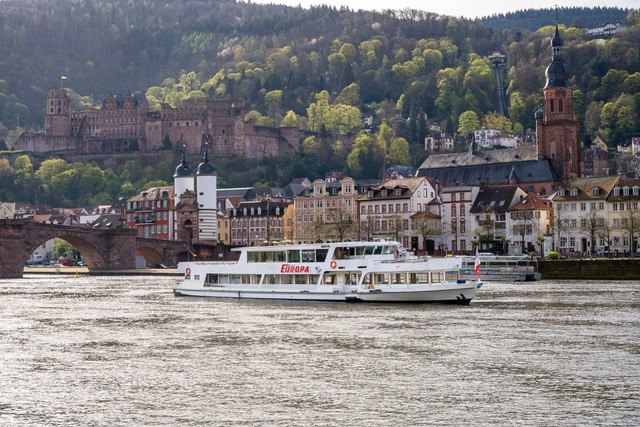
Shipping “Weisse Flotte”
At the end of the congress, we will enjoy an enjoyable evening together on board of the “Weisse Flotte”.
FULLY BOOKED